Skip to content
Entrenar para triunfar

Guatemala · Volleyball · 1977

Entrenar para triunfar

Medallas de oro para el equipo, la empresa, el país y la vida

Nobody gave Guatemala any chance. It won gold, undefeated.

From the back cover

Entrenar para triunfar is written in Spanish. Roger L. Cowan’s words on this page are translated from the book.

Beyond volleyball

The scope of triumph

Most coaches focus on how to win on the court. This book, based on a real success story, teaches how to succeed in school, in business, in competitive bids, in the family and in life. As a result, you can triumph in sport, undefeated.

It shows carefully how to handle

  • the fundamentals
  • relationships
  • strategy
  • teamwork
  • physical development when resources are scarce
  • a winning psychology
  • and much more.

How far the benefit reaches

Applied across a nation, the teaching can contribute substantially to a country’s development. It can turn the resources a country puts into sport from a superfluous expense into one of its most productive investments. Drawing on his long experience as a pioneer in development management, the author shows how in the book’s last chapter.

Chapter 14 TRIUMPH IN A COUNTRY’S DEVELOPMENT

A deep perspective

The book is an immersion in everything that lies behind a victory, specifically in sport. It could be a school or national championship, the Central American Games, the Pan American Games or the Olympic Games. The experience is the same, but as you climb toward the summit of world sport, the degree of commitment, demands, dedication, work and psychological mastery is always greater. The same is true in school, in business and in life in general.

The two non-negotiable commitments required to accept the challenge

  1. The commitment to win the gold medal.

  2. The commitment to do everything required and necessary to be champions, always as well as possible, without complaining, protesting, resisting or trying to get out of it.

They gave their word, and a word given has value.

Roger L. Cowan

Illustration

Ad honorem

After nine at night

Guatemala, the 1970s. A volleyball team with few resources and little international experience. Its players studied or worked, and trained with no reward at all.

I took the post ad honorem, as a pastime, because I worked as director of the Business Administration Department at Universidad Francisco Marroquín, in its bachelor’s and MBA programs. I did my academic work during the day and until nine at night, and then I hurried to the Gimnasio 7 de Diciembre to carry out my duties as coach.

Roger L. Cowan · Introduction

On the other side of the net

  • El Salvador The hosts, with a professional coach from Japan.
  • Costa Rica With a professional coach from Germany.
  • Panama Champion of every Central American tournament since 1973.

Guatemala Players who studied or worked, and a volunteer coach, after a full day’s work.

As a coach, I faced a full-time professional Japanese coach in charge of the host team, El Salvador; a full-time professional German coach at the head of Costa Rica’s team; and Panama’s powerful national team, which had dominated the region until then and had never lost a single match in the history of Central American volleyball.

Roger L. Cowan · Introduction

Nearly three years of hard work

Extremely demanding training

It teaches how to do 120% of what you think you can do, and then do even more. You have to run at full speed; do push-ups until you cannot take any more; leap up the stands two steps at a time; do shark drills; feel great pain in your muscles and keep going with more effort; repeat the overhead passes a thousand times, all under the demanding eye of a coach who seems to have no mercy.

The transformation

The result

A transformation: from surroundings of mediocrity, of sighs, requests to slow down, bad habits and a little resistance, to champion players, proud to take their growth as far as it would go. They challenged one another: who could work harder, run up the stands two steps at a time more often, do more push-ups, last longer in one-on-one work with the coach.

Two gold medals, undefeated, in Central American championships, for the first time in history.

  • III Central American Cup Guatemala August 1977
  • II Central American Games San Salvador November – December 1977

Illustration

Mindsets, attitudes, habits, routines and customs that lasted a lifetime and led to success in everything they did.

The credit

The players did the preparation, accepted the challenge, won the matches and deserve the victory.

The coach had the privilege of demanding of them what he knew they could give.

Roger L. Cowan

One night, before a friendly

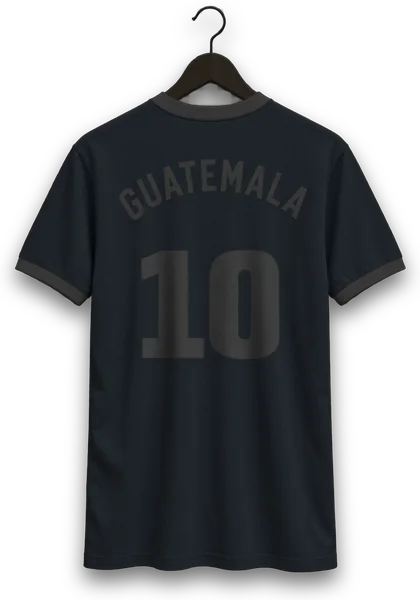
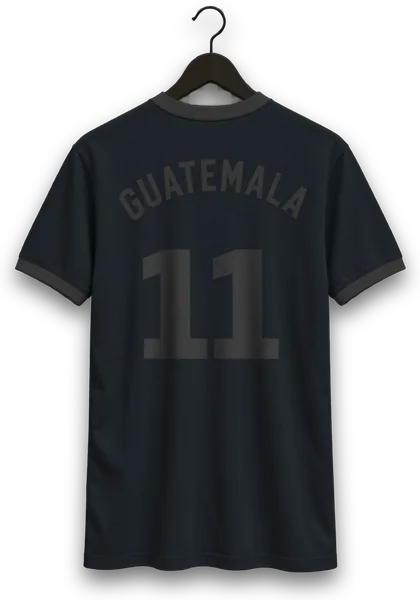
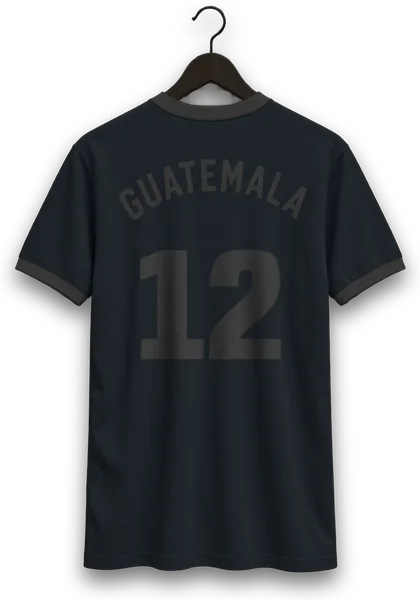
Eight uniforms

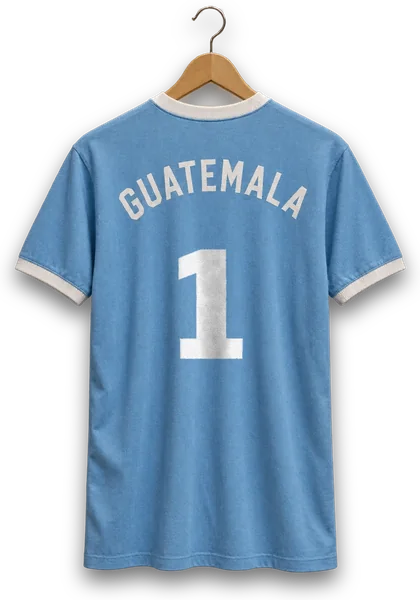
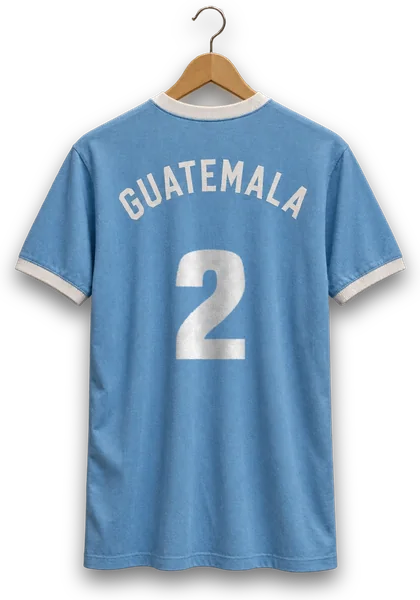
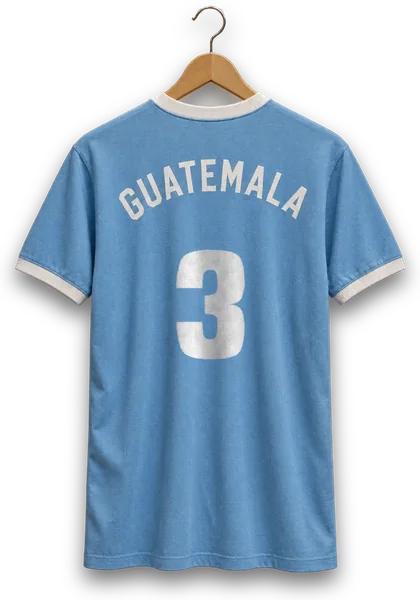
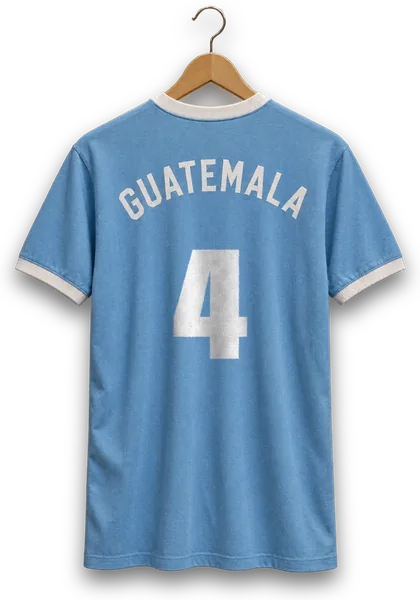
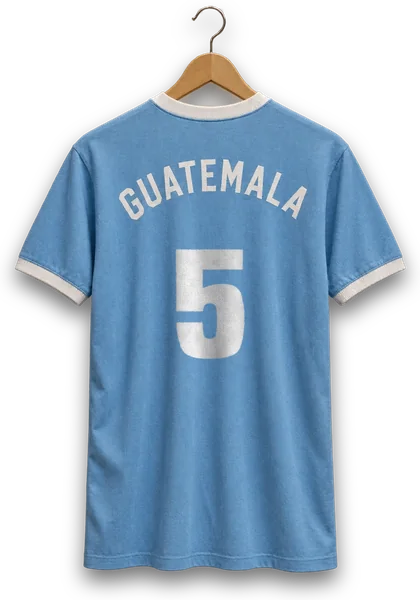
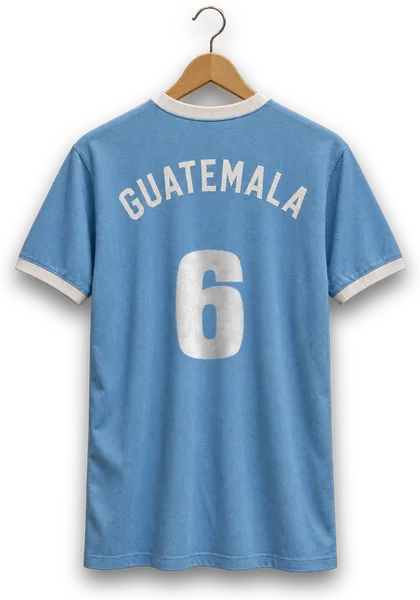
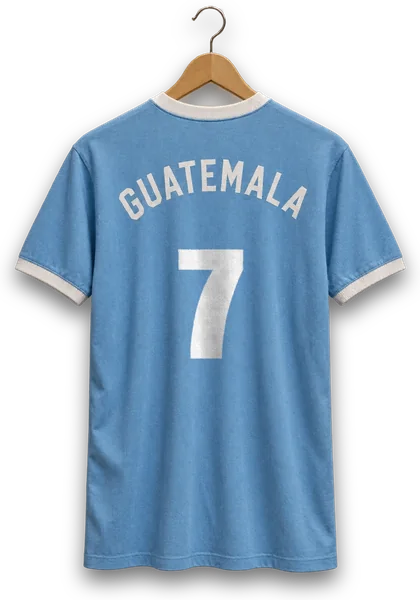
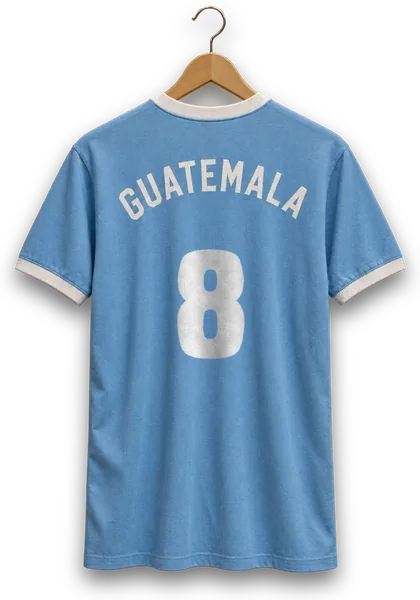
The Federation handed over twelve uniforms with Guatemala’s name on the back. Only eight players had trained consistently, keeping the rules.

The coach gave out eight uniforms and stopped. Several of the best players, veterans, were left without one.

Guatemala played with eight. It lost that match, but it gained the team’s discipline and total commitment.

8 of 12 uniforms handed out Illustration

I told them that playing for Guatemala was not a right but an honor that had to be earned.

Roger L. Cowan · Chapter 4

But if the reader remembers just one thing from this book, I would rather it be that handing out of eight uniforms. Everything else is contained in it: clear rules, a word kept, the demand for excellence, the price of the honor of representing a country, and the conviction that a person is capable of far more than they themselves believe.

Roger L. Cowan · Epilogue

The method

Six positions

A volleyball court has six positions, and the team rotates through all of them. Roger L. Cowan builds the preparation on six foundations:

Position 1 / 6

A shared vision

That is how I planted the golden vision of victory.

Roger L. Cowan · Chapter 4

1975 – 1978

The road

  1. 1975

    Arrival in Guatemala

    Appointed coach of the men’s national volleyball team.

  2. 1975

    First training sessions

    Months later, a friendly against Mexico’s youth team, played with eight players.

  3. February 1976

    Earthquake

    Three months without training.

  4. June – July 1976

    II Central American Cup · San José

    Silver medal. The defeat that made them train even harder.

  5. May – August 1977

    Warm-up matches

    Against Taiwan’s national team, Panama’s champion club and Racing Club de France.

  6. August 1977

    III Central American Cup · Guatemala

    Gold medal, undefeated.

  7. November – December 1977

    II Central American Games · San Salvador

    Gold medal, undefeated.

  8. July 1978

    XIII Central American and Caribbean Games · Medellín

    Ninth place. The end of his time as coach.

From the book’s chronology (Appendix 1).

San Salvador, 1977 · Third set

The comeback

GUATEMALA
Run 2–0
SET 3
EL SALVADOR
One point from the set
  1. 7–13

    They took the lead and kept extending it, until it reached 13 points to 7. It was an extremely difficult situation.

    Roger L. Cowan · Chapter 10
  2. 7–14

    They needed just one more point to win the third set and put us in an extremely tight spot, with our backs to the wall.

    Roger L. Cowan · Chapter 10
  3. 10–14

    It was now 14-10, with nerves running wild on both sides.

    Roger L. Cowan · Chapter 10
  4. 12–14

    During that run, El Salvador had five chances to win the set on its own serve, but each time we won the serve back.

    Roger L. Cowan · Chapter 10
  5. 15–14

    Suddenly we were ahead 15-14.

    Roger L. Cowan · Chapter 10
  6. 17–15

    It looked like a miracle. My players, at the hardest moment, had truly risen to the occasion.

    Roger L. Cowan · Chapter 10

From 7–14 to 17–15. Guatemala won the match, and then the gold medal.

Illustration

The ritual

¿Quién va a ganar?

Before every match the coach gathered the players in a circle for last instructions. Then, suddenly, he shouted a question. Three times, louder each time.

Who is going to win? Guatemala!

Every answer lights up the gym.

It was telling the world plainly that Guatemala was going to win. It was an unmistakable commitment: the players had to deliver.

Roger L. Cowan · Chapter 8

And for your own match:

And then let them walk onto the court with their team (or into a job interview, a bid, or any other hard contest) shouting at the top of their lungs: “Who is going to win?” And let them answer even louder: “We are!”, because they know they have invested everything it takes to win, and to deserve it.

Roger L. Cowan · Epilogue

Who it is for

A book for the court and for life

  1. Coaches

    how to run effective practices, correct bad habits, select players, make the most of substitutes, develop leaders on the court and decide at critical moments.

  2. Athletes and young people

    how to strengthen discipline, confidence and responsibility; learn to work as a team; respond to pressure and feel the pride of developing their talent.

  3. Parents, teachers and mentors

    how to use sport to teach values, strengthen relationships, open doors and succeed in life. The author’s experience with at-risk youth shows how far an education that cares for the person can reach.

  4. Business people, professionals and leaders

    lessons on leadership, motivation, strategy, productivity and preparing to compete. From a job interview to a bid, the quality of the effort beforehand can decide the result.

  5. Sports administrators and development leaders

    a reflection on the three pillars of international success (players, coaches and administration) and on how to turn sports spending into one of a country’s most productive investments.

Contents

Chapters

From the first practice to the podium, and from the podium to life. Titles translated from the Spanish.

  1. PRE. PRELUDE
  2. INT. INTRODUCTION: THE TRIUMPH
  3. 01. THE START OF THE GREAT ADVENTURE
  4. 02. MY EXPERIENCE AS A PLAYER AND COACH
  5. 03. THE SITUATION I FOUND
  6. 04. THE START OF TRAINING
  7. 05. BUILDING THE NATIONAL TEAM
  8. 06. THE SECRETS OF VICTORY
  9. 07. PSYCHOLOGY AND SPORT
  10. 08. THE II CENTRAL AMERICAN CUP
  11. 09. THE III CENTRAL AMERICAN CUP
  12. 10. THE II CENTRAL AMERICAN GAMES
  13. 11. THE CENTRAL AMERICAN AND CARIBBEAN GAMES
  14. FOT. PHOTOGRAPHS
  15. 12. THE INDISPENSABLE PILLARS OF WINNING IN INTERNATIONAL SPORT
  16. 13. TRAINING TO WIN IN LIFE
  17. 14. TRIUMPH IN A COUNTRY’S DEVELOPMENT
  18. EPÍ. EPILOGUE
  19. APÉ. APPENDICES
  20. AUT. THE AUTHOR

Includes 16 pages of photographs from the period.

The opening pages

Entrenar para triunfar · Roger L. Cowan

Prelude

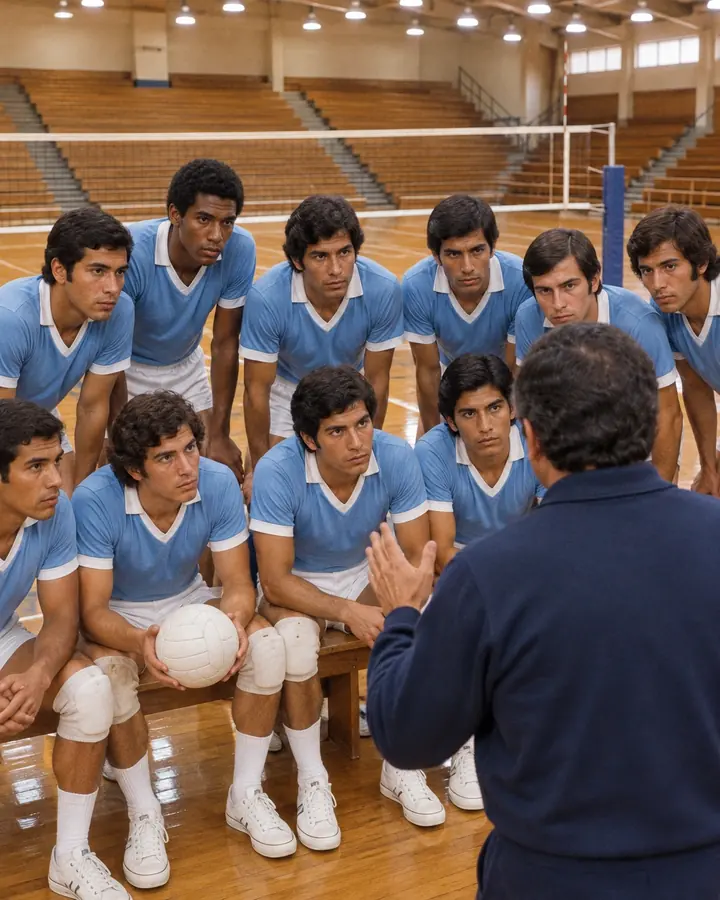
In a brightly lit gym, the coach, seen from behind, talks to the national team players gathered in front of him in sky-blue uniforms, listening closely.
Illustration

I was in the sports hall, getting ready to give a talk of the utmost importance, both for us and for sport in Guatemala. As I began, I searched for the words that best fit the occasion. My words had to inspire something truly exceptional. They had to magnify the players’ burning desire and light a spark of energy that would set off an extraordinary explosion of spirit. They had to dispel every doubt and raise confidence above any level reached before.
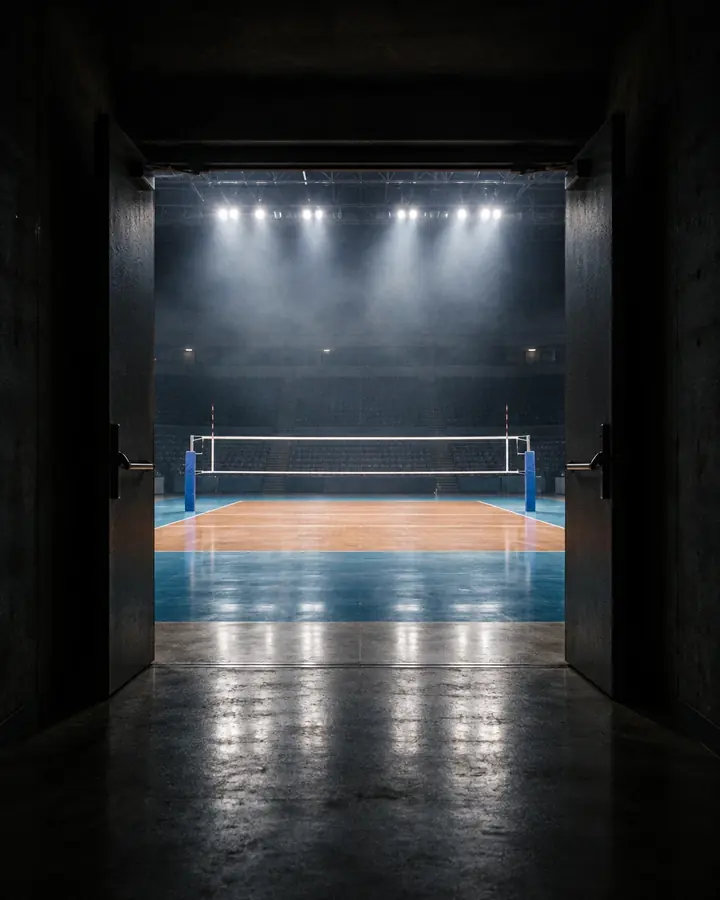
From a dark corridor, an open door onto a lit volleyball court, the net under the lights.
Illustration

In front of me, watching me with intense eyes, stood the members of Guatemala’s men’s national volleyball team. These were the last moments before the deciding match of the volleyball tournament at the Central American Games, which are held only once every four years. The match about to begin was the last step in the long struggle to become champions for the first time in history. The road we had traveled was long and winding. We had prepared hard for three years. Month after month we had worked with great dedication and sacrifice. Training had been grueling at first, but little by little the players grew used to its extraordinary demands. They persevered because they always kept in view the vision of winning the Central American tournament, receiving the gold medals and lifting the champions’ trophy, honoring Guatemala with their victory.
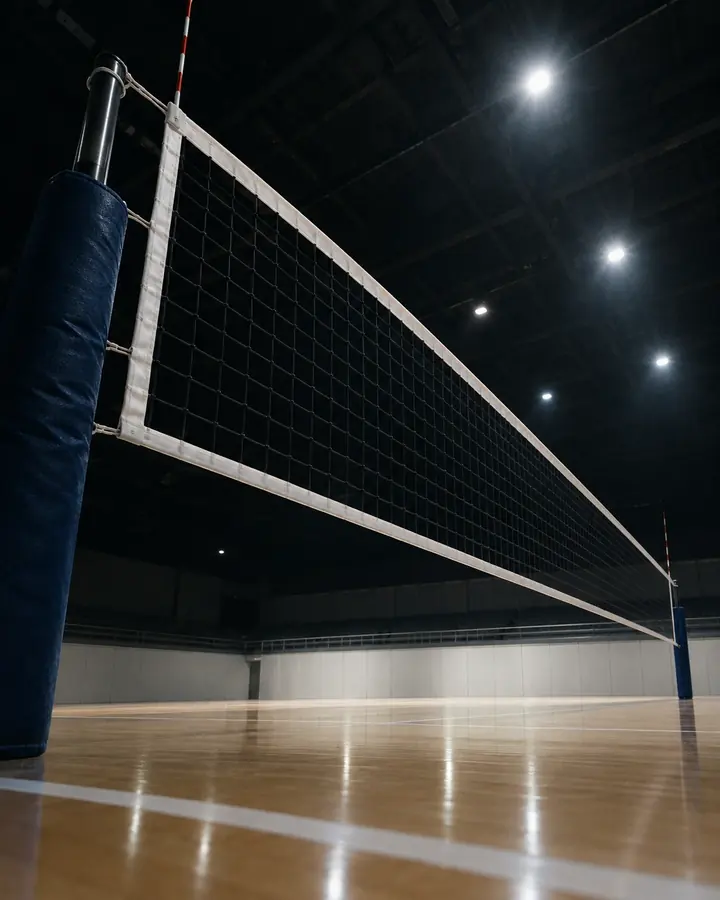
A volleyball net seen from the floor, tall and imposing under the spotlights.
Illustration

During the tournament we had won every previous match, playing with excellence. They were long, demanding contests, but we came out victorious in all of them. Only one obstacle remained on the road to our longed-for goal, and it was enormous: the team we were about to face had never lost a match in the entire history of Central American volleyball. Its players had a great advantage in height and strength. They had far more experience than we did in high-level international competition. They were unbeaten and considered themselves unbeatable. Almost everyone else thought the same. Outside our circle, almost no one believed we had any chance of winning.
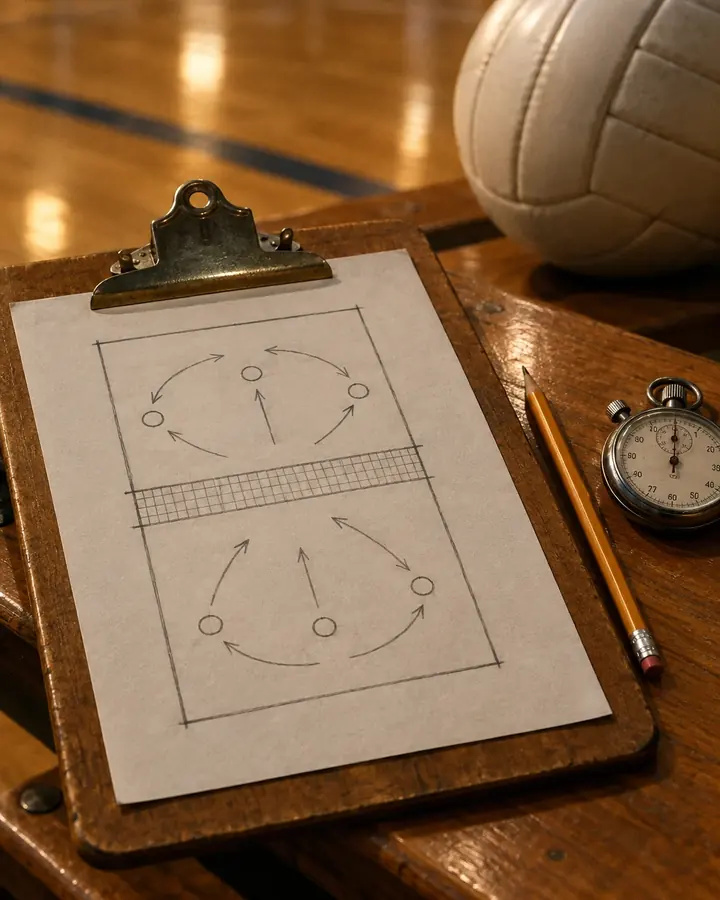
A clipboard with a court drawn in pencil, a stopwatch and a volleyball.
Illustration

I had to convince the players that, despite all our disadvantages, they were going to play better at every moment, with more spirit, fight, courage and precision than our rivals, and that they would triumph. I would accept nothing less. They had to win, because losing would mean tearing down all our hopes, our effort, sacrifice, work, dedication and suffering of the last three years. We would fall short of our goal, and that was not acceptable. If we did not win, we would regret for the rest of our lives having let that opportunity slip away. But that was not going to happen. We were going to win.

Beams of golden light in a gym and a volleyball in mid-air.
Illustration

I began my speech. I spoke with great authority and sincere confidence, because I truly believed in the players. I trusted that they were going to win. I went on with more passion, raising my voice. Soon we were bathed in an atmosphere of emotion and enthusiasm. With every moment the waves of emotion grew. I watched the players “take flight,” almost floating in that atmosphere charged with energy. They were already shouting and chanting for Guatemala’s victory, full of confidence. The moment came to end the talk and send them onto the court.
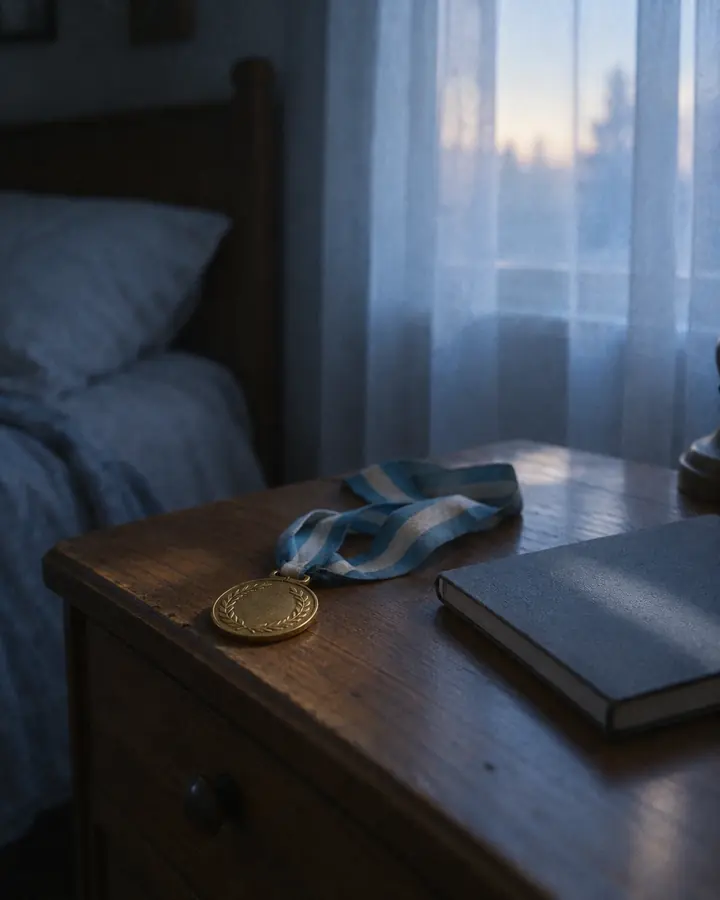
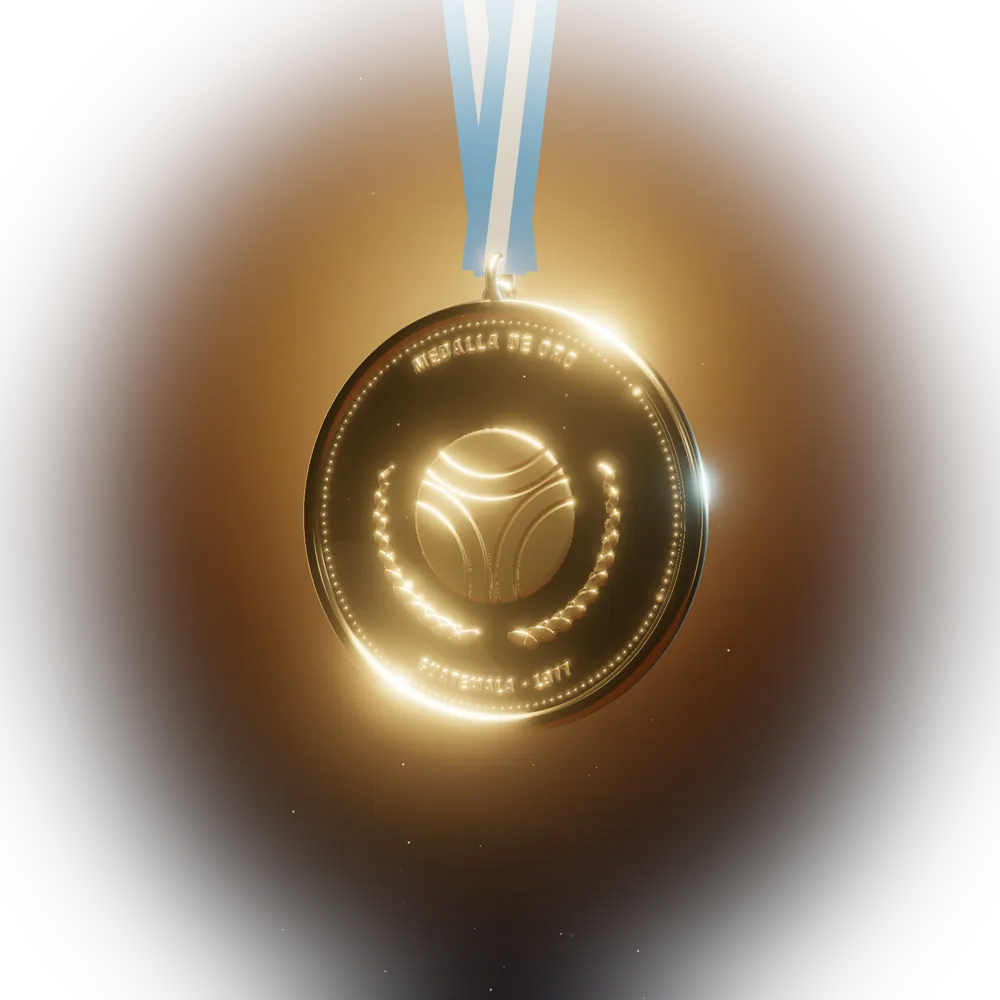
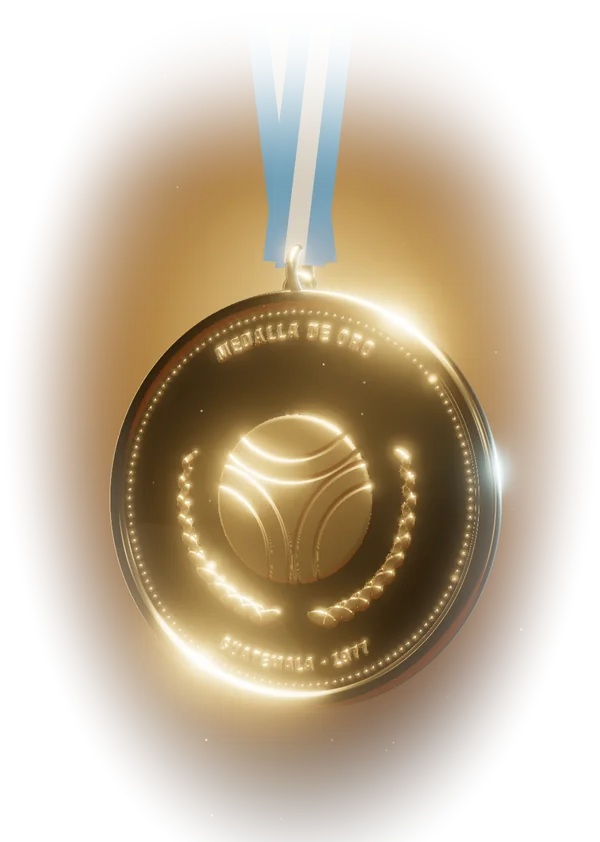
A bedroom at dawn: on the nightstand, a gold medal on a sky-blue and white ribbon beside a notebook.
Illustration

At that moment I woke up. It was a dream: a precious memory, very much like something that had happened forty years earlier. In the dream, the match against the unbeaten team was the last of the championship; in reality, as you will see, the schedule was different. Almost ten years have passed since that dream, and those memories are still alive in my subconscious. They seem to want to come out and be celebrated again every so often.
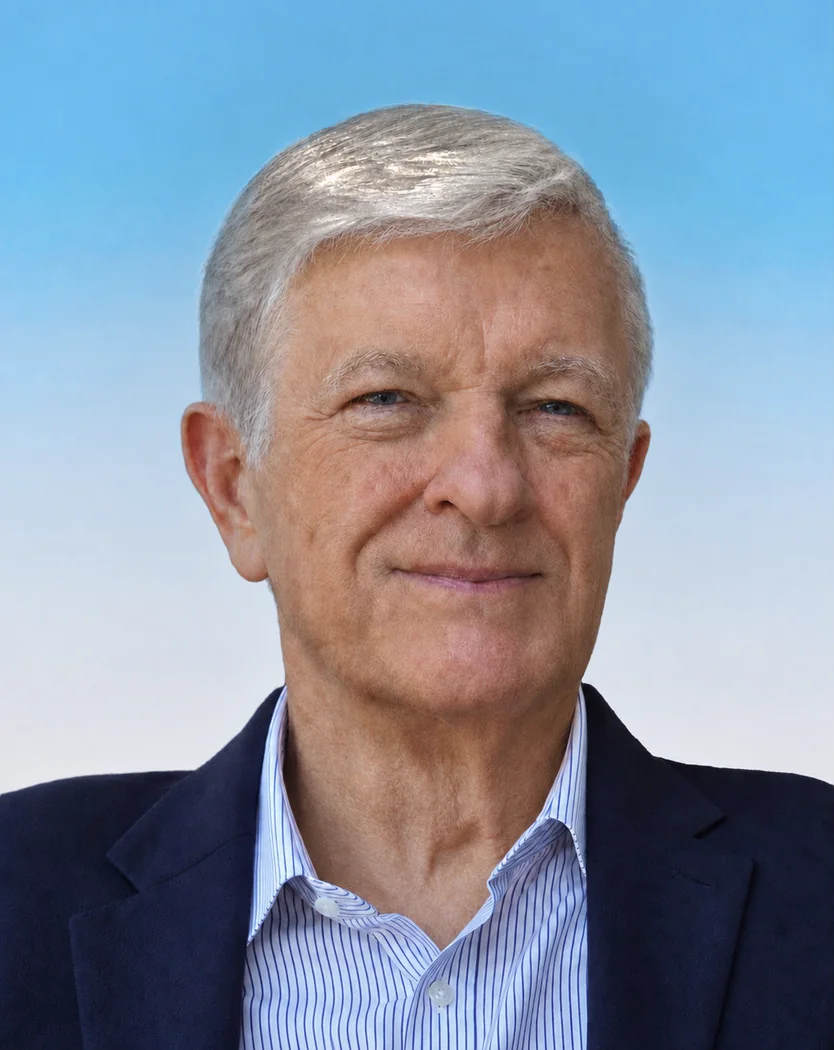
Portrait of Roger L. Cowan in a dark blue jacket against a sky-blue background.

The author

Roger L. Cowan

Roger L. Cowan has lived the title of this book.

An international business consultant, for twenty-eight years he directed the Business Administration Department at Universidad Francisco Marroquín in Guatemala.

He was the volunteer coach of the Guatemalan men’s volleyball team that won gold at the 1977 Central American Games.

rogercowan.pro

Formats

Step onto the podium

Paperback and Kindle on Amazon, and the PDF right here. The book is in Spanish.

At the end of the process, I invite you to celebrate the joy of victory with us. Step onto the podium with us, because by then you will have earned that right.

Roger L. Cowan · Introduction
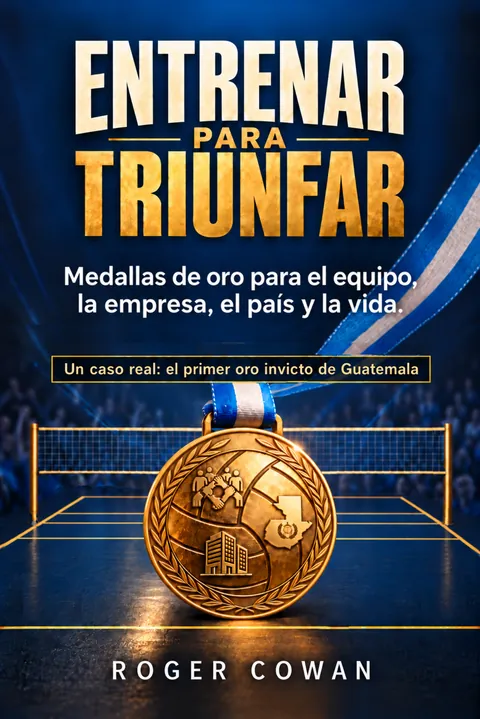
The cover of Entrenar para triunfar: a gold medal on a sky-blue and white ribbon over a volleyball court
  • Paperback Amazon Coming soon
  • Kindle Amazon Coming soon
  • PDF On this site Coming soon
  • With 16 pages of photographs from the period.